
 Español
 Pусский
 Français
 日本語
日本語
Material Inspection Die Casting
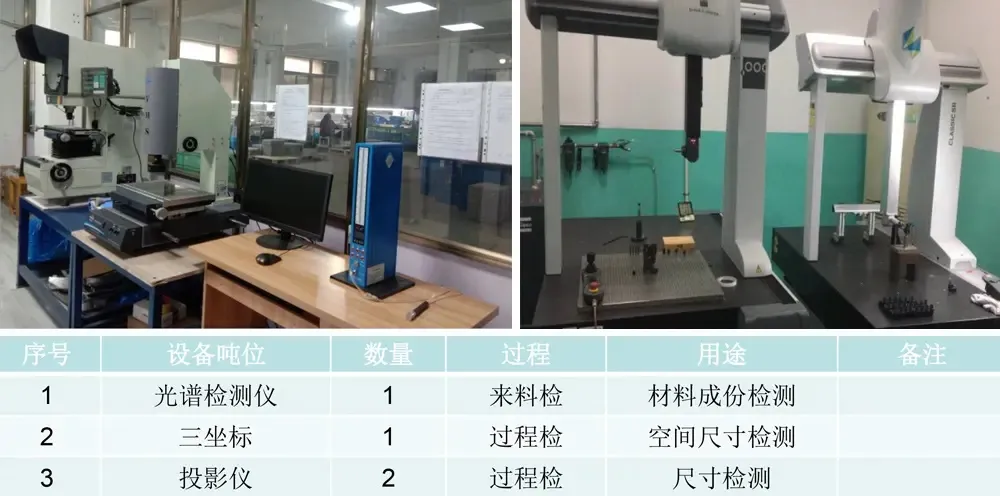
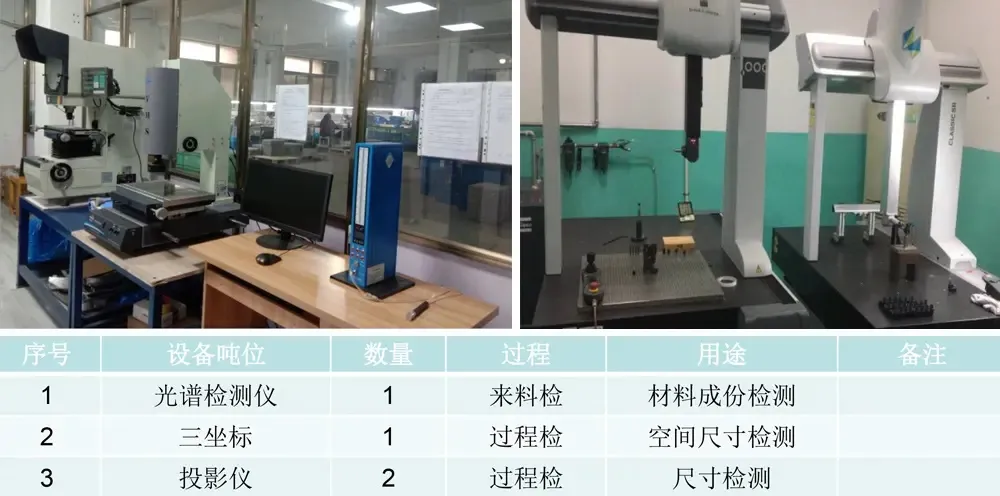
Certainly — here is a 500-word English description of Material Inspection in Die Casting, with no company names included:---Material Inspection in Die CastingMaterial inspection is a critical step in the die casting process, ensuring that the raw materials used meet the required standards for quality, performance, and consistency. In die casting, the properties of the material directly affect the strength, dimensional accuracy, surface finish, and durability of the final product. Because of this, thorough inspection of incoming materials is essential before production begins.Die casting commonly uses metals such as aluminum, zinc, magnesium, and sometimes copper alloys. Each material must be carefully checked to confirm that it matches the specified chemical composition and physical characteristics. The inspection process usually begins with verifying the material certificates provided by the supplier. These documents include information about alloy grade, composition, batch number, and mechanical properties. However, documentation alone is not enough, so actual testing is also required.One of the main purposes of material inspection is to detect impurities or inconsistencies that could lead to defects during casting. Even small variations in alloy composition can cause problems such as porosity, cracking, shrinkage, or poor surface quality. Therefore, samples from each batch are often tested using analytical equipment such as spectrometers. These tests help confirm that the percentages of elements like silicon, magnesium, copper, or zinc are within the acceptable range.In addition to chemical composition, physical inspection is also important. The material should be examined for signs of contamination, oxidation, moisture, oil, or foreign particles. Cleanliness is especially important because impurities can interfere with melting behavior and reduce the quality of the casting. For recycled or reused material, inspection becomes even more important, as repeated use may introduce variation or contamination.Another key part of material inspection is checking the material condition before it enters the furnace. The size, shape, and storage condition of the raw material should be appropriate for efficient melting and handling. Poor storage may result in rust, corrosion, or surface degradation, which can affect the process. Proper labeling and traceability are also necessary so that each batch can be tracked throughout production in case of a quality issue.Material inspection helps reduce defects, improve process stability, and ensure that finished castings meet customer requirements. It also saves time and cost by preventing defective material from being used in production. In a highly controlled manufacturing environment, inspection is not only a quality control measure but also an important part of process management.Overall, material inspection in die casting is a foundation of product quality. By carefully checking chemical composition, cleanliness, condition, and traceability, manufacturers can maintain consistent production and produce reliable, high-performance cast parts. This step plays a vital role in achieving efficiency, reducing waste, and ensuring long-term product performance.---If you want, I can also make it:1. more professional for a website,2. simpler for general readers, or3. more technical for industry use.
Products
Category:
No search results found!
News
Category:
-
[industry news]Material Inspection for Custom Die Casting Parts
2026-06-17 11:15:55
Case
Category:
Video
Category:
No search results found!
Download
Category:
No search results found!
Job
Category:
No search results found!
Featured Products
No search results found!



 WhatsApp
 Phone
Phone