
Porosity is one of the most discussed defects in die casting because it can affect strength, sealing, machining and appearance. It is also often misunderstood. Not every pore has the same cause or the same risk.
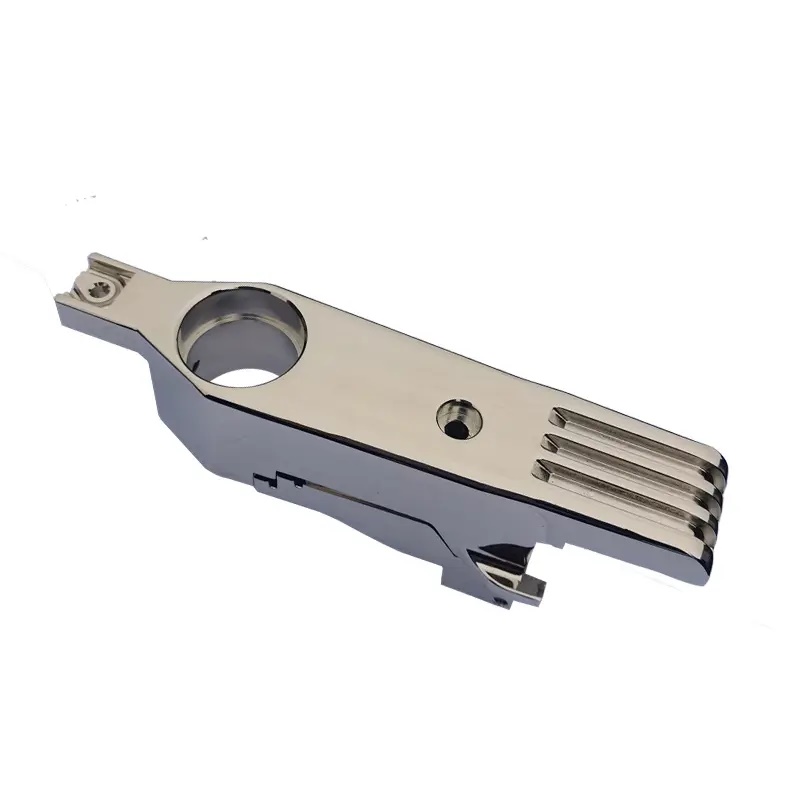
Porosity can come from trapped air, shrinkage, poor venting, heavy wall sections or process instability. The control method depends on the part design and functional requirement.
| Cause | How it appears on the part | Prevention or control |
|---|---|---|
| trapped air during filling | small pores after machining or sectioning | review gate, overflow and venting design |
| local shrinkage around thick sections | pores near bosses or heavy walls | improve wall transition and cooling balance |
| poor process stability | defects vary between batches | control machine parameters and trial records |
| unclear sealing requirement | part passes visual check but leaks in assembly | mark sealing areas and inspect functional surfaces |
Buyers should identify whether porosity is cosmetic, structural or sealing-related. A hidden pore in a non-critical area may be acceptable, while porosity on a machined sealing face may not be.
Inspection can include visual checks, machining surface review, leak testing for sealing parts, or section analysis for critical projects. The inspection method should match the risk.
Send information about pressure, sealing, machining depth and load requirement so the supplier can judge porosity risk before tooling.
Related reference: aluminum die casting cylindrical housing component and die casting process control.
Porosity is not one single problem. Gas porosity, shrinkage porosity and exposed voids after machining may require different corrections. The most useful supplier discussion is not "can you guarantee zero porosity", but "where is porosity unacceptable and how will those areas be controlled". This is especially important around sealing faces, threaded holes, pressure zones and cosmetic surfaces.
| Porosity location | Likely concern | Control focus |
|---|---|---|
| Machined sealing face | Leakage or poor contact | Gate, overflow, local pressure and machining allowance. |
| Deep boss or thick rib | Shrinkage near heavy mass | Wall transition and local cooling. |
| Painted visible face | Blister or appearance defect | Surface preparation and baking conditions. |
Mark no-porosity zones on the drawing if the part has sealing or pressure requirements. For ordinary covers and brackets, define appearance and functional acceptance instead of using a broad requirement that is impossible to inspect consistently.
Tel: +86 18868921505
Email: lijianguo@cxhuabo.com
Address: Yiheng Road, Changhe Town, Cixi City, Ningbo, Zhejiang Province, China

Scan wechat
Copyright © 2022 Cixi Huabo Machinery Co., Ltd
SitemapThis website uses cookies to ensure you get the best experience on our website.

 Español
 Pусский
 Français
 日本語
日本語



 WhatsApp
 Phone
Phone
Comment
(0)